
Stepping out onto the vibrant, bustling streets of India’s capital city presents an incredible explosion of sights, sounds, and historic architectural marvels. Finding the absolute best places to visit in Delhi requires a journey through layers of ancient empires, colonial history, and fast-paced modern urban culture.
The sprawling metropolis flawlessly bridges the gap between old-world charm and cutting-edge urban infrastructure, creating a destination that caters to every kind of curious traveler. From towering, centuries-old minarets to massive, lively wholesale markets, the city offers an endless array of unforgettable experiences. Official data shows that annual local visitor arrivals peaked at over 3.94 crore persons, proving the city’s massive global appeal to international and domestic travelers alike.
Whether you are an avid history buff, a dedicated foodie, or an independent sightseer, navigating the local travel routes is highly rewarding. This comprehensive master guide reveals the top ten iconic locations that define the true spirit of this legendary historic capital. Let us jump right into the finest, highest-rated places to visit in Delhi to optimize your next major urban travel itinerary.
1. Red Fort: The Grand Crimson Heart of India’s Mughal Empire
Stepping through the massive Lahori Gate of the Red Fort transports you directly into the opulent golden era of classical Mughal sovereignty. Commissioned by Emperor Shah Jahan in 1639 when he shifted his imperial capital from Agra, this grand UNESCO World Heritage Site served as the primary seat of absolute power for nearly two centuries. The fort’s breathtaking red sandstone defensive walls stretch for over two kilometers, commanding respect in the center of Old Delhi. Inside, you can walk through magnificent public and private audience halls like the Diwan-i-Aam and the jewel-like Diwan-i-Khas. It consistently ranks as one of the most culturally significant places to visit in Delhi.
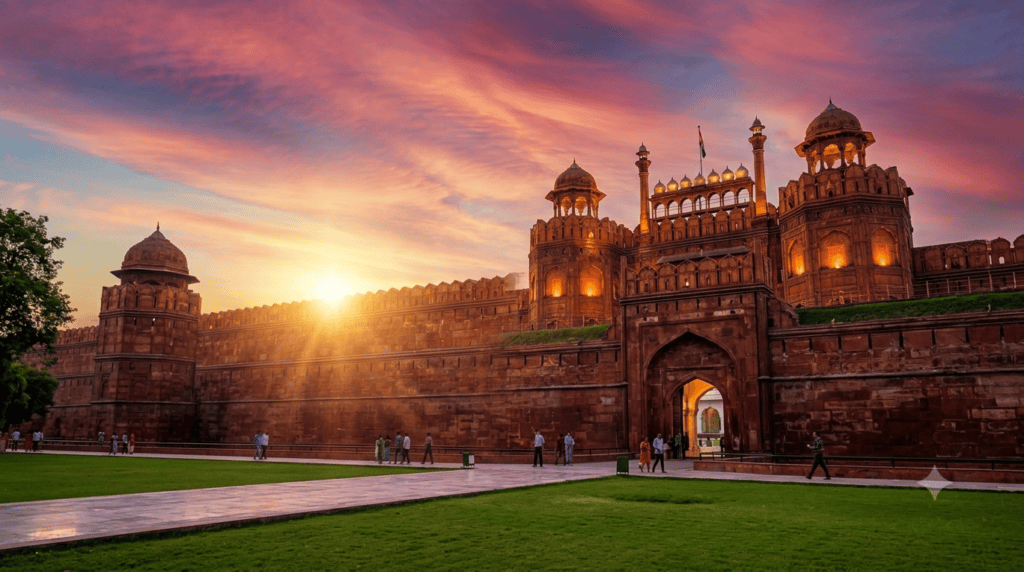
[Mughal Imperial Axis]
Lahori Gate ──> Chhatta Chowk Bazaar ──> Diwan-i-Aam ──> Diwan-i-Khas
Visitor Details for Red Fort
- Timings: 9:30 AM to 4:30 PM daily.
- Closed Day: Strictly closed on Mondays.
- Ticket Price: ₹35 for Indian citizens; ₹500 for foreign national tourists via digital counters.
- Best Season to Visit: October to March, when the afternoon winter weather is exceptionally pleasant and mild.
- Why It Is Famous For: Celebrated globally for its brilliant Indo-Islamic palace architecture, complex marble inlay work, and hosting the Prime Minister’s national flag-hoisting address every Independence Day. For heritage lovers hunting down historical places to visit in Delhi, it provides an unmatched look into royal Mughal history.
2. Qutub Minar: Soaring Heights of Early Indo-Islamic Engineering
Rising dramatically into the South Delhi skyline, the Qutub Minar stands as a spectacular, soaring monument marking the birth of the historic Delhi Sultanate. Started by Qutb-ud-din Aibak in 1199 AD, this 72.5-meter-high five-storey minaret holds the definitive world record as the tallest brick tower in existence. The fluted red sandstone walls are covered with incredibly delicate geometric carvings and rhythmic Arabic calligraphic inscriptions. For independent overlanders searching for legendary places to visit in Delhi, exploring the sprawling Qutub Complex is an absolutely essential archaeological stop.
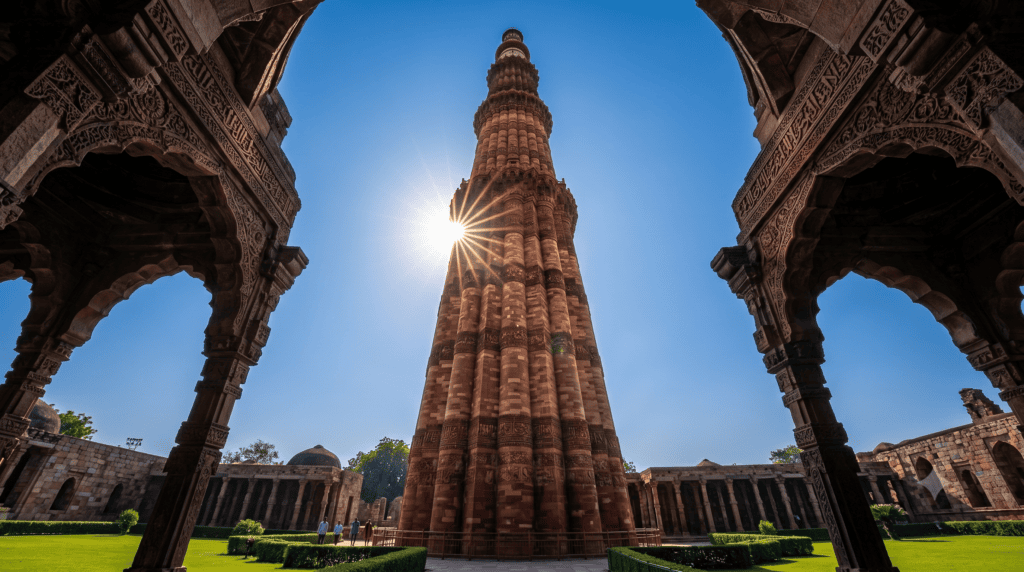
[Qutub Archaeological Layering]
Quwwat-ul-Islam Mosque ──> The 1600-Year-Old Iron Pillar ──> The Soaring Minaret
Visitor Details for Qutub Minar
- Timings: 7:00 AM to 5:00 PM daily.
- Closed Day: Open all days of the week.
- Ticket Price: ₹40 for Indian citizens; ₹600 for foreign national tourists.
- Best Season to Visit: November to February, allowing you to walk across the green manicured lawns in complete outdoor comfort.
- Why It Is Famous For: Renowned for its early Indo-Islamic brickwork and housing the legendary 4th-century rust-resistant Iron Pillar. It ranks among the top architectural places to visit in Delhi due to its unique historical layering and carvings.
3. Humayun’s Tomb: The Pristine Garden Precursor to the Taj Mahal
Widely considered a monumental milestone in grand garden architecture, Humayun’s Tomb is a visual masterpiece of absolute symmetry and geometric scale. Built in 1570, this majestic mausoleum represents the very first grand garden-tomb on the Indian subcontinent, commissioned by Emperor Humayun’s wife Bega Begum. The structure utilizes a flawless combination of red sandstone and pure white marble accents, set in a massive, symmetrical Charbagh layout. Walking through the tranquil water channels demonstrates why this UNESCO site tops global lists of must-see places to visit in Delhi.
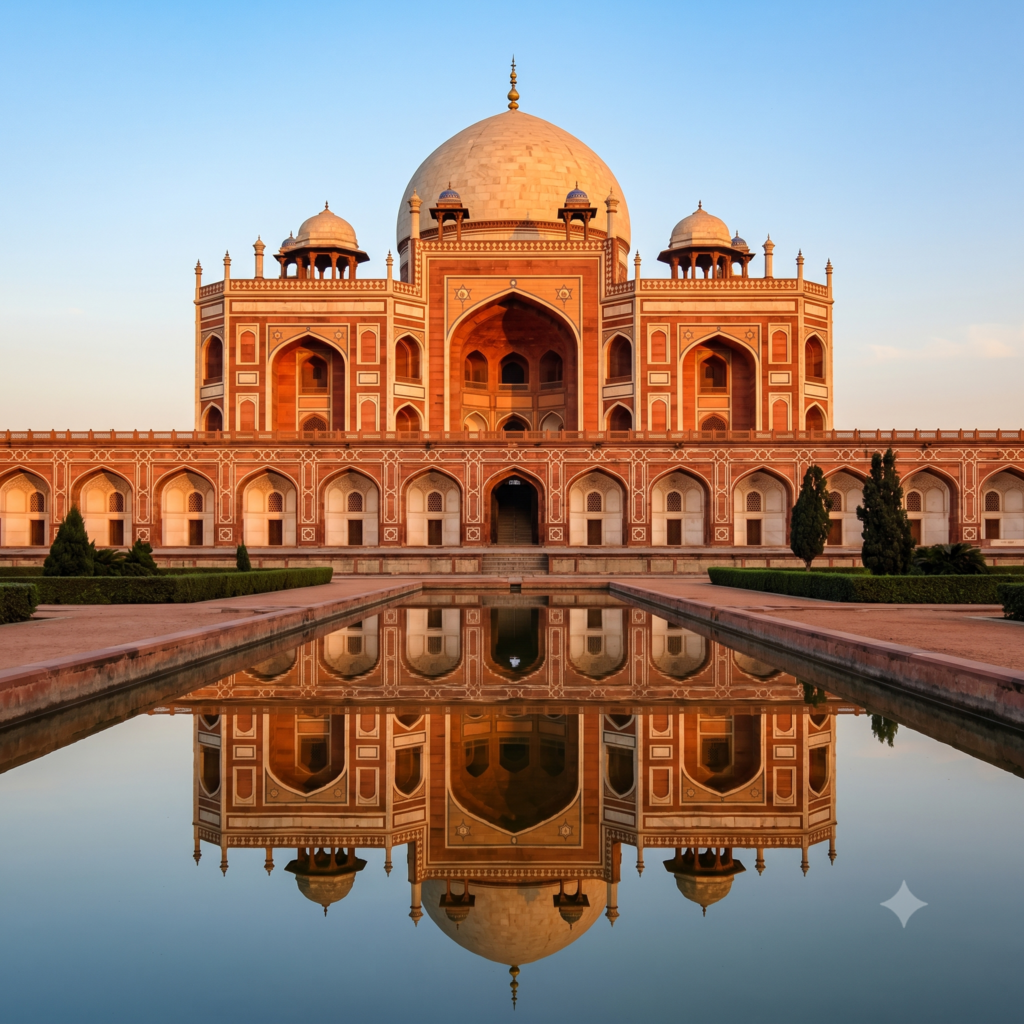
Visitor Details for Humayun’s Tomb
- Timings: 6:00 AM to 6:00 PM (Sunrise to Sunset) daily.
- Closed Day: Open every single day of the week.
- Ticket Price: ₹40 for Indian citizens; ₹600 for foreign national tourists.
- Best Season to Visit: October to March, particularly during the late golden hour afternoons for premium heritage photography.
- Why It Is Famous For: Globally renowned for introducing Persian double-dome architecture to India and directly inspiring the design of the Taj Mahal. It is favored among structural places to visit in Delhi for its deep serenity and architectural brilliance.
4. India Gate: A Proud and Moving Monument to National Valour
Standing proudly at the eastern end of the monumental Kartavya Path axis, India Gate is a solemn national war memorial arch. Designed by the legendary British architect Sir Edwin Lutyens and completed in 1931, this 42-meter-high triumphal arch honors soldiers who lost their lives in World War I. The stone surfaces are engraved with the individual names of over 13,000 fallen warriors. The lush surrounding lawns serve as a central civic gathering ground, making it one of the most popular free places to visit in Delhi.
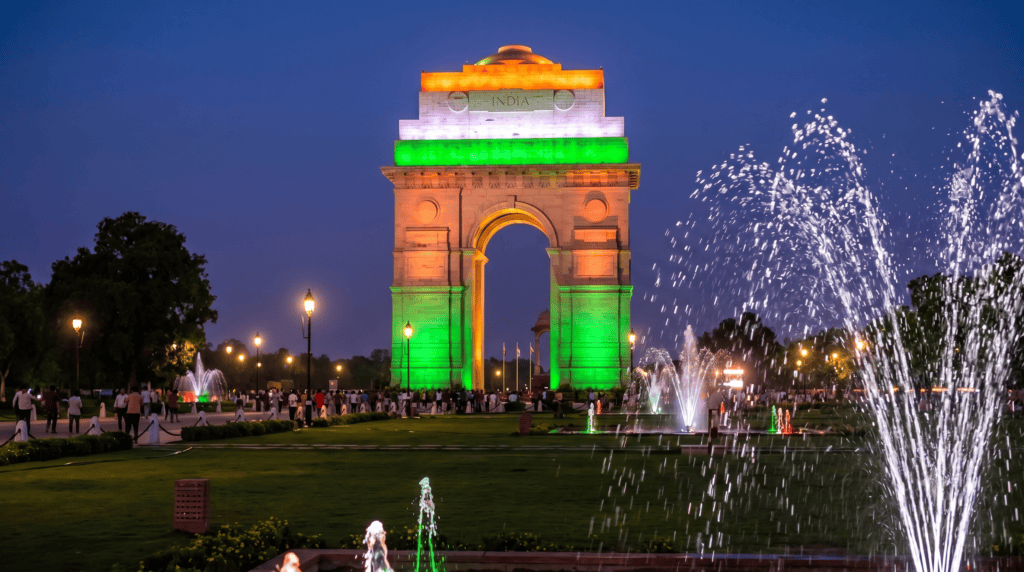
[The National Civic Axis]
Rashtrapati Bhavan ──> Kartavya Path ──> National War Memorial ──> India Gate
Visitor Details for India Gate
- Timings: Open 24 hours a day, allowing for total scheduling flexibility.
- Closed Day: Open all days of the week.
- Ticket Price: Entry is completely free for all national and international visitors.
- Best Season to Visit: Year-round, but evenings from October to March offer the most refreshing outdoor atmosphere for families.
- Why It Is Famous For: Iconic for its grand architectural illumination at night and its deep patriotic importance. When compiling public places to visit in Delhi, it serves as an essential civic landmark for evening picnics.
5. Gurudwara Bangla Sahib: An Oasis of Ultimate Peace and Selfless Service
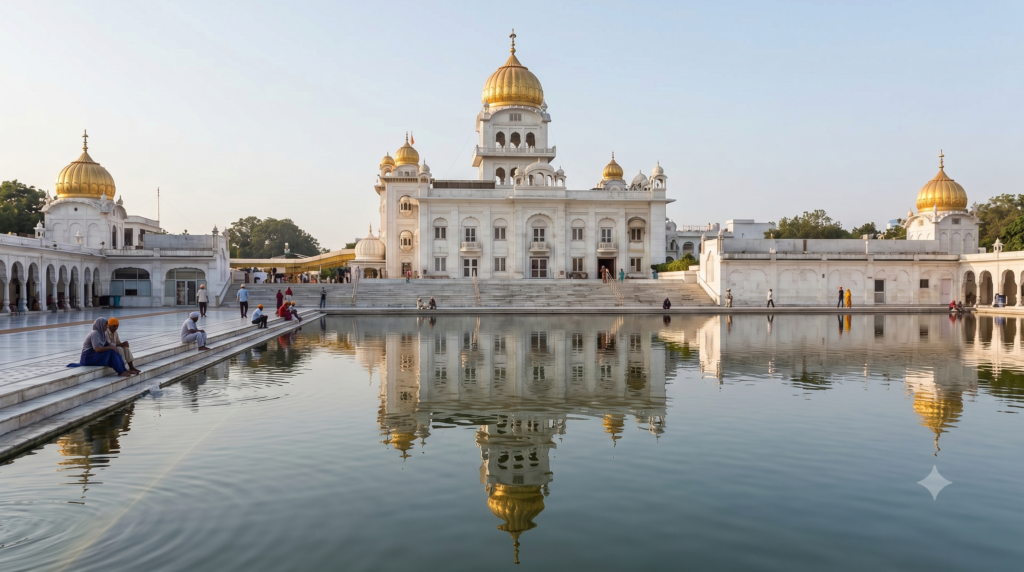
Wrapped in an atmosphere of deep spiritual devotion, Gurudwara Bangla Sahib is a highly revered Sikh house of worship in Connaught Place. Dedicated to the memory of the eighth Sikh Guru, Guru Har Krishan, this stunning white marble structure features shining golden domes. The complex contains a massive, serene holy pool known as the Sarovar, where travelers can sit in silent meditation. It routinely ranks among the most welcoming and culturally rich places to visit in Delhi for international visitors.
Visitor Details for Gurudwara Bangla Sahib
- Timings: Open 24 hours a day, all year round.
- Closed Day: Open every single day of the week.
- Ticket Price: Entry is completely free; no donations are ever forced on visitors.
- Best Season to Visit: October to March, though night visits are exceptional due to beautiful lake reflections.
- Why It Is Famous For: Famous for its tranquil continuous spiritual kirtan hymns and the volunteer-run community kitchen (Langar) feeding over 35,000 people daily. It stands out among spiritual places to visit in Delhi for its unmatched human warmth.
6. Akshardham Temple: A Breathtaking Display of Timeless Indian Heritage
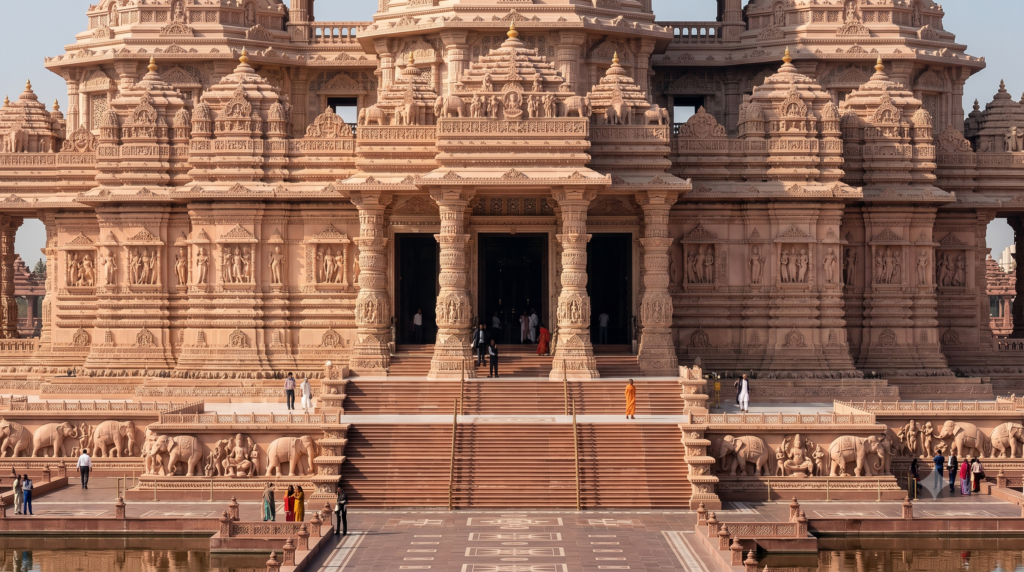
A modern marvel of hand-carved stone artistry, the Swaminarayan Akshardham Temple complex brilliantly showcases thousands of years of traditional Indian culture. Opened in 2005, the massive main monument was built without using any structural steel, relying entirely on pink sandstone and Italian marble. The complex features expansive exhibition halls, a grand musical fountain, and a historic thematic boat ride on India’s past. It is widely celebrated as one of the most jaw-droppingly detailed places to visit in Delhi.
[Akshardham Experience Layout]
Welcome Gates ──> Main Stone Mandir ──> Cultural Exhibitions ──> Sahaj Anand Water Show
Visitor Details for Akshardham Temple
- Timings: 10:00 AM to 6:30 PM; entry lines close early in the evening.
- Closed Day: Strictly closed on Mondays.
- Ticket Price: Entry to the complex is free; exhibition combo tickets cost ₹170 to ₹250.
- Best Season to Visit: November to February, ensuring comfortable walking conditions across the vast stone courtyards.
- Why It Is Famous For: Holds the Guinness World Record as the world’s largest comprehensive Hindu temple complex. For families tracking down modern structural marvels, it represents one of the premier places to visit in Delhi.
7. Lotus Temple: A Sanctuary of Symmetrical Silence and Unity
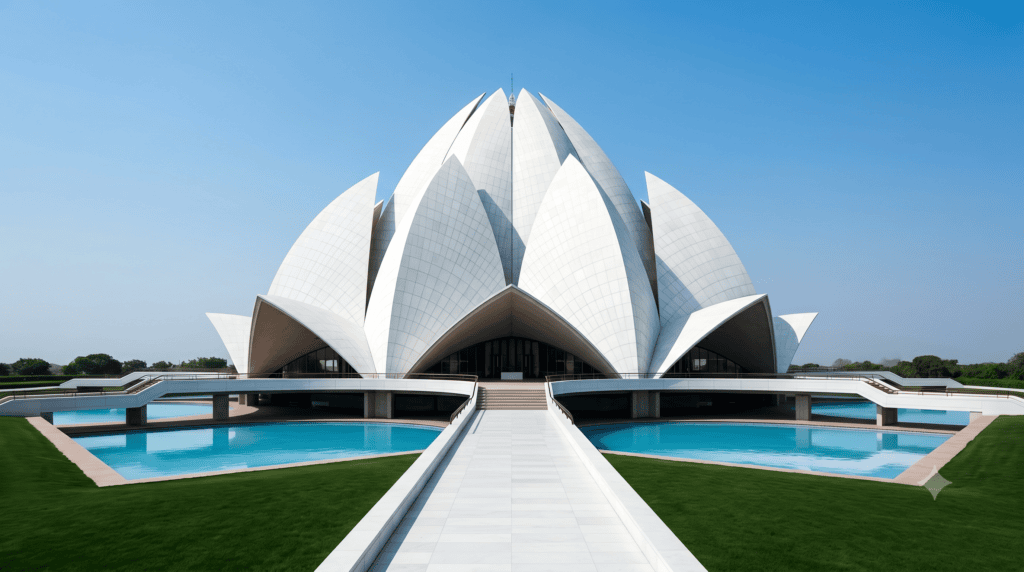
Resembling a pristine white lotus flower emerging from manicured green lawns, the Lotus Temple is a Baháʼí House of Worship. Designed by Iranian architect Fariborz Sahba, the structure consists of 27 freestanding petals made of pure Greek marble. The design allows for an incredibly expansive, echo-free prayer hall inside where people of all religious faiths can sit together. When researching modern architectural places to visit in Delhi, this landmark stands out for its structural simplicity and peace.
Visitor Details for Lotus Temple
- Timings: 9:00 AM to 5:30 PM daily.
- Closed Day: Strictly closed on Mondays.
- Ticket Price: Completely free entry for all national and international visitors.
- Best Season to Visit: October to March, allowing you to enjoy the sprawling outdoor landscape walks.
- Why It Is Famous For: Internationally celebrated for its unique structural lotus design and its foundational philosophy of universal religious unity. It remains an essential checkpoint among iconic places to visit in Delhi.
8. Chandni Chowk: Navigating Asia’s Most Vibrant Historic Wholesale Market
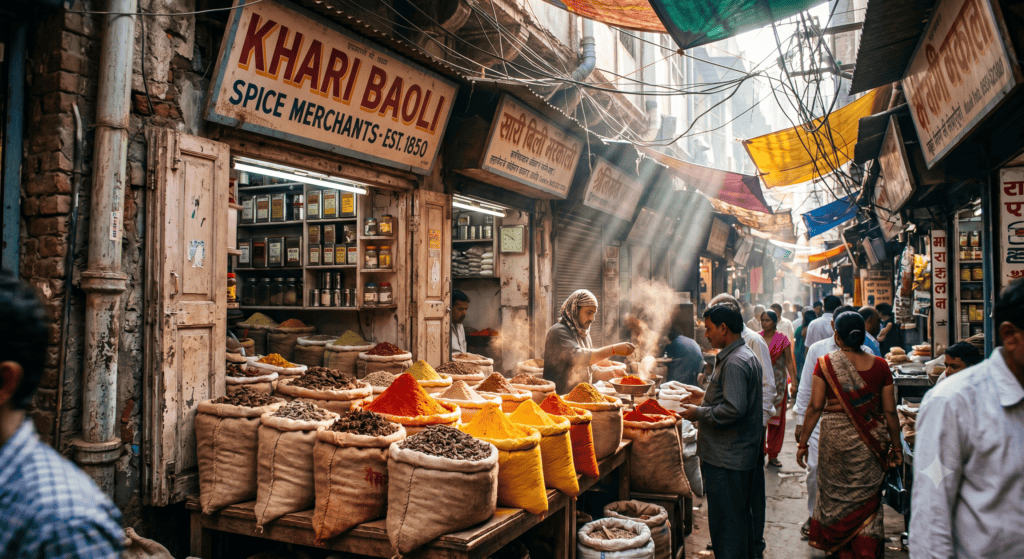
To truly experience the authentic, chaotic pulse of Old Delhi, you must dive straight into the historic lanes of Chandni Chowk. Created by Emperor Shah Jahan in the 17th century, this legendary market remains Asia’s busiest wholesale trading hub. Moving through the narrow, sensory-heavy sub-lanes of Dariba Kalan or Khari Baoli reveals a timeless merchant lifestyle. It is highly regarded as one of the most culturally immersive places to visit in Delhi for foodies and street photographers.
[Chandni Chowk Sensory Breakdown]
Katra Neel (Indigo Fabrics) ──> Dariba Kalan (Silverware) ──> Khari Baoli (Spices) ──> Paranthe Wali Gali
Visitor Details for Chandni Chowk
- Timings: 10:00 AM to 8:00 PM primarily.
- Closed Day: Most wholesale markets and shops are closed on Sundays.
- Ticket Price: Free street entry; your budget depends entirely on shopping and street food sampling.
- Best Season to Visit: November to February, minimizing heat exhaustion inside the dense historical alleys.
- Why It Is Famous For: Globally famous for its mountain-high spice piles, wholesale bridal clothing markets, and legendary centuries-old street food stalls. It is unmatched among experiential places to visit in Delhi.
9. Amrit Udyan: The Spectacular Horticultural Paradise of the Presidential Estate
Providing an absolute explosion of natural colors and pristine landscape layout, Amrit Udyan (formerly known as the Mughal Gardens) is a seasonal botanical paradise tucked inside Rashtrapati Bhavan. Spread over a massive 15 acres, these historic gardens showcase a brilliant blend of classical Mughal symmetry and sophisticated English country style. Visitors can explore beautifully themed horticultural zones, including the Circular Garden, Bonsai Garden, Herbal Garden, and a sprawling collection of rare tulips. For nature enthusiasts planning out visual places to visit in Delhi, checking this exclusive institutional sanctuary is an unforgettable seasonal highlight.
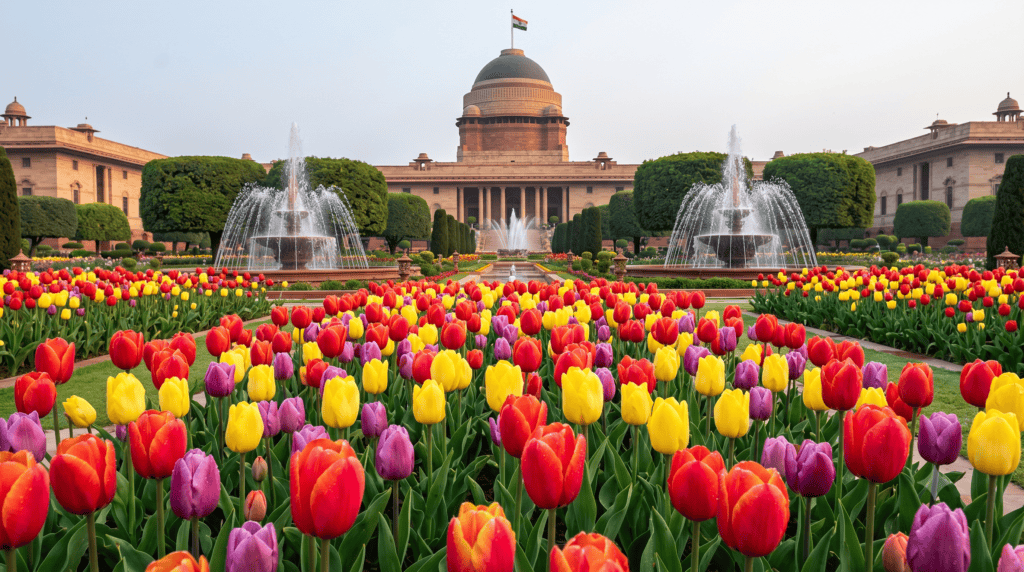
[Presidential Botanical Zones]
East Lawn Tulips ──> Central Bonsai Collection ──> Specialized Herbal Track ──> Circular Garden
Visitor Details for Amrit Udyan
- Timings: 10:00 AM to 5:00 PM primarily during its public opening phase.
- Closed Day: Strictly closed on Mondays for rigorous grounds maintenance and horticultural care.
- Ticket Price: Entry is completely free, but visitors must pre-book digital passes online via the official Rashtrapati Bhavan website.
- Best Season to Visit: Highly seasonal; exclusively open to the general public during the annual Udyan Utsav festival from late January to March.
- Why It Is Famous For: Celebrated globally for housing over 159 distinct varieties of rare roses, imported Dutch tulips, and beautifully synchronized musical fountains inside the presidential estate. It is highly sought after among seasonal places to visit in Delhi for its absolute horticultural perfection.
10. Lodi Gardens: Where Royal Tomb Architecture Meets Tranquil Nature
Providing a beautiful, peaceful escape from the frantic city rush, Lodi Gardens is a lush 90-acre park located in central New Delhi. The beautifully landscaped grounds protect a rare collection of 15th-century tombs built during the Sayyid and Lodi dynasties. Walking the paved tracks reveals magnificent structures like the Bara Gumbad, Shisha Gumbad, and the tomb of Sikandar Lodi. For independent overlanders researching restful places to visit in Delhi, this green oasis is highly recommended.
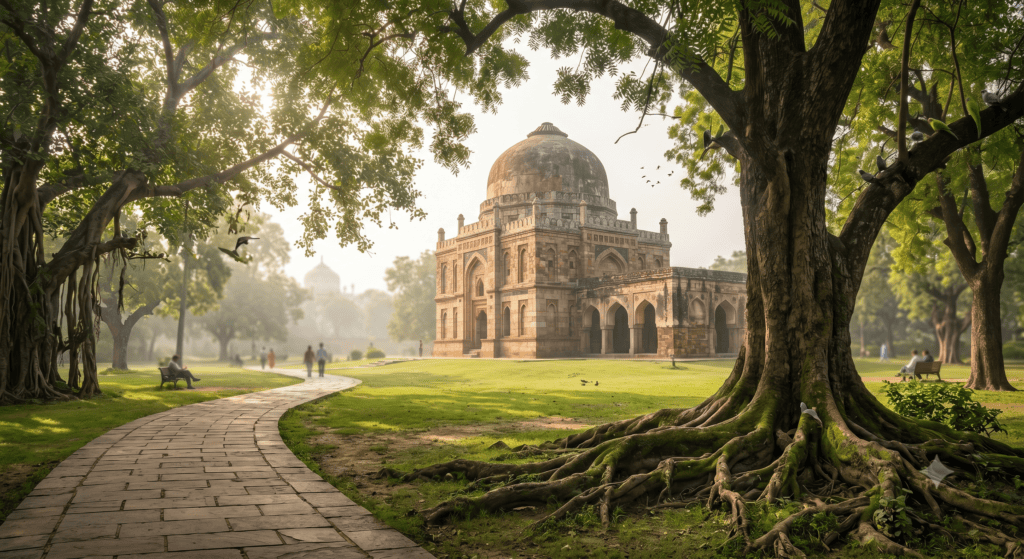
[Lodi Gardens Architectural Loop]
Mohammed Shah's Tomb ──> Bara Gumbad Complex ──> Shisha Gumbad ──> Sikandar Lodi's Tomb
Visitor Details for Lodi Gardens
- Timings: 6:00 AM to 8:00 PM daily.
- Closed Day: Open every single day of the week.
- Ticket Price: Entry is completely free for all morning walkers, locals, and international travelers.
- Best Season to Visit: November to March, making it perfect for afternoon family picnics and heritage photography.
- Why It Is Famous For: Renowned for its unique blend of robust, early medieval sultanate stone architecture and serene public nature landscapes. It holds a legendary reputation among relaxing places to visit in Delhi.
Operational Safety and Transit Blueprint for Navigating Urban Circuits
Successfully navigating between the top places to visit in Delhi requires a basic understanding of the city’s vast transportation networks and seasonal weather changes. Summer temperatures from May to June can reach extreme highs, making outdoor exploration during midday challenging without proper hydration. When map-planning routes to include historical places to visit in Delhi, prioritizing the air-conditioned transit lines cuts down on travel fatigue and delays. Respecting the local rules at heritage sites ensures these centuries-old architectural landmarks remain preserved for future generations.
To ensure smooth travel between distant places to visit in Delhi, choosing centralized lodging options like Connaught Place streamlines your daily itinerary. Neglecting local traffic schedules while mapping out routes across distant places to visit in Delhi can result in getting stuck in rush-hour road bottlenecks. Carrying basic items like comfortable walking shoes and physical cash for small street vendors optimizes your overall marketplace exploration. By selecting highly rated, safe transit methods, your journey through places to visit in Delhi transforms into a seamless urban adventure.
- Transit Essentials: Purchase a consolidated smart card for the local transit lines to bypass long single-journey ticketing lines.
- Emergency Medical Protection: Pack sunscreens, oral rehydration salts, basic digestive medications, and a reusable water filtration flask.
- Navigation Protocol: Download comprehensive digital city maps beforehand, as high-rise ancient stone structures can occasionally block network data signals.
Cultivating a Deep Cultural Connection with the Capital’s Living Heritage
True urban exploration involves an ongoing commitment to understanding local customs and respecting the dignity of traditional merchant populations. As you discover historic places to visit in Delhi, you will frequently encounter busy pedestrian crossings requiring careful movement and complete patience. Always yield to local cycle-rickshaws navigating narrow market paths, and maintain a respectful behavior when photographing small traditional craft stalls. Traveling mindfully through places to visit in Delhi means acting as a conscious visitor who values cultural immersion over quick sightseeing.
Establishing a smooth travel flow within the top places to visit in Delhi involves learning the basic dress rules before entering active spiritual enclosures. Furthermore, dynamic municipal updates demand that you check local security advisories before planning visits to high-profile institutional neighborhoods. Finding complete peace inside the diverse places to visit in Delhi emphasizes the true need to balance historic monument tours with quiet public garden walks. By practicing cultural etiquette, your route through places to visit in Delhi sets a premium standard for responsible urban tourism.

Conclusion
The true, deep-rooted charm of India’s capital city cannot be fully captured by visiting a single neighborhood or monument. It lives inside the stark, beautiful transitions: moving from the chaotic alleys of Chandni Chowk to the silent green lawns of Lodi Gardens. By designing a thoughtful itinerary around the top places to visit in Delhi, you experience the authentic spirit of a city that has survived the rise and fall of countless ancient empires.
Pack your camera gear, arrange your local transit maps, and set out to explore the historic roads with a curious mind. If you require professional assistance planning your route logistics, navigate to our comprehensive About Us Page or use our direct Contact Page to connect with our city expedition team. You can also view our live city walking tours on our official Instagram Hub. For official museum schedules and event bookings, check the Delhi Tourism Department and look over the regional National Museum Registry before finalizing your trip details.
Ultimately, entering these legendary places to visit in Delhi is an investment in your own historical understanding and cultural connection. Finding true satisfaction within the best places to visit in Delhi requires leaving behind your fast-paced travel expectations and embracing the complex rhythms of metropolitan life. Your long-term memories of these remarkable places to visit in Delhi will undoubtedly center around the incredible architecture, diverse culinary heritage, and resilience of the local communities. Turn your map pages, follow the historic trails, and let the magnificent urban landscape of the capital transform your worldview forever.
Frequently Asked Questions
1. What is the fastest and most reliable way to travel between these major tourist hubs?
The absolute best way to commute between the premier places to visit in Delhi is using the world-class Delhi Metro network. It is fast, fully air-conditioned, incredibly cost-effective, and completely bypasses the heavy road traffic delays common during peak rush hours. Most primary monuments and historical markets have direct dedicated metro stations located right outside their main entry gates.
2. Can I safely visit all ten locations within a single weekend trip?
While you can rush past the external structures in two intense days, a proper visit requires three to four full days. Grouping locations geographically (such as combining Red Fort, Amrit Udyan, and Chandni Chowk on day one) optimizes your exploration time and cuts down on transit fatigue across the various places to visit in Delhi.
3. Are there strict dress codes that travelers must follow when entering spiritual sites?
Yes, religious houses of worship like Gurudwara Bangla Sahib enforce respectful dress rules. All visitors must remove their shoes at the entry storage rooms, cover their heads with clean scarves, and ensure their shoulders and knees are fully covered before stepping onto the sacred premises. Checking these rules beforehand ensures smooth entry into all spiritual places to visit in Delhi.
4. Is street food safe to consume for international travelers visiting Old Delhi markets?
Sampling street food in historic markets like Chandni Chowk is a legendary culinary experience, but precaution is key. Stick exclusively to highly popular, busy vendors who have operated for decades, ensure drinking water is bottled, and avoid raw ice preparations during peak summer seasons to guarantee a safe food tour through iconic places to visit in Delhi.
5. Which of these monuments offer special night attractions or sound and light shows?
The Red Fort and Purana Qila host magnificent evening Sound and Light shows that bring regional history alive using complex laser projections. Additionally, landmarks like India Gate and the Lotus Temple look stunning at night when their white stone facades are beautifully lit up, making them exceptional nocturnal places to visit in Delhi.
6. Do I need to book entry tickets online in advance for these historical spots?
While you can purchase physical tickets at the main historical monument booking windows, buying online via the Archaeological Survey of India (ASI) website is faster. Online digital tickets give you a small discount per ticket and let you skip the long booking lines on weekends, optimizing your time across the best places to visit in Delhi.
7. What is the ideal budget for experiencing the top places to visit in Delhi comfortably?
The overall cost depends on entry fees, but budget options are highly available since major spots like India Gate, Lodi Gardens, and Lotus Temple offer free entry. Relying on the public metro transit lines and dining at traditional local markets keeps your daily expenditure incredibly low while exploring the best places to visit in Delhi.
8. How do seasonal winter dynamics impact city sightseeing walks across the capital?
Winter dynamics from November to February bring cool, crisp temperatures that are absolutely perfect for long walking tours across open heritage courtyards. However, early morning travelers must account for seasonal dense fog, which can occasionally reduce structural visibility when photographing the most famous places to visit in Delhi.