
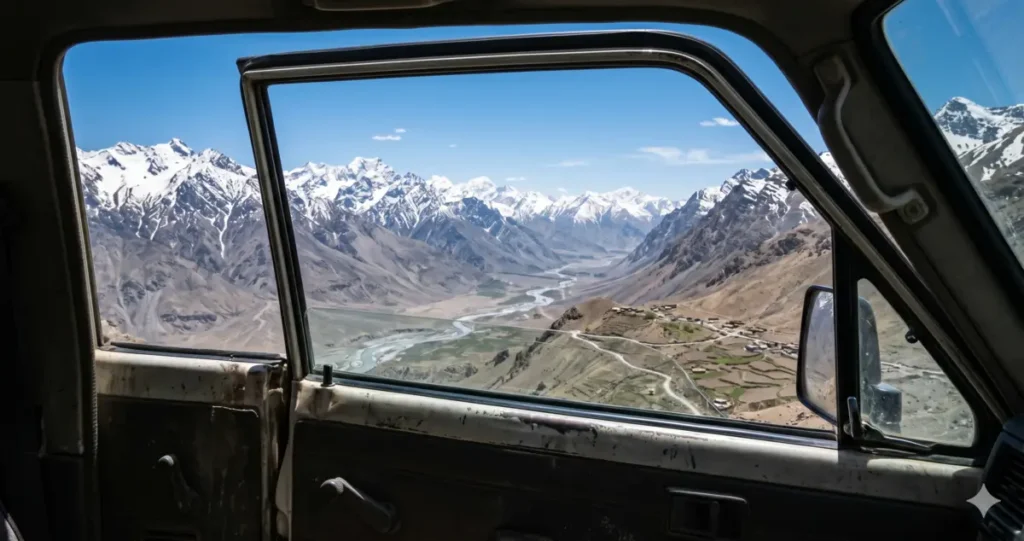
Offbeat places in Himachal Pradesh offer the ultimate escape if you want to ditch the suffocating commercial crowds of Shimla and Manali. If you want pristine landscapes and empty roads, you must head deeper into the mountains.
At WeekendRevvs, we packed our 4×4 overland rig and spent months mapping the state’s hidden circuits. We tracked road conditions, found authentic homestays, and identified true wilderness. This comprehensive guide reveals 15 exceptional, unexplored hidden gems for your 2026 mountain escape.
Discovering authentic offbeat places in Himachal Pradesh requires moving past generic travel brochures. Our deep-dive expedition focuses on real overland utility, accurate trail logistics, and verified local stays. Whether you drive a rugged 4×4 or ride a dual-sport motorcycle, these secret circuits will completely redefine your mountain travel experience. Let’s explore the raw side of the Himalayas.
Quick Summary: Top Offbeat Places in Himachal Pradesh at a Glance
If you need a quick roadmap, here are the top-rated offbeat places in Himachal Pradesh for 2026 grouped by region and travel style:
- Spiti & Lahaul: Langza (Fossil village), Komic (Highest motorable village), and Miyar Valley (The untouched valley of flowers).
- Mandi & Kullu Region: Shangarh (Alpine meadows in Sainj Valley), Jibhi & Shoja (Jalori Pass wilderness), and Gada Gushaini.
- Chamba & Remote Frontiers: Pangi Valley (Sach Pass extreme overland route) and Bharmour (Ancient temple heritage).
- Kinnaur & Sirmaur: Chitkul (Last border village), Kalpa (Kinner Kailash views), and Nahan (Quiet weekend retreat).
Best Offbeat Destinations By Travel Style
| Destination | Best For | Trip Duration |
| Sainj Valley | Alpine Peace & Trekking | 3 Days |
| Pangi Valley | Hardcore 4×4 Overlanding | 5 Days |
| Jibhi & Shoja | Weekend Workations & Cafes | 3 Days |
| Miyar Valley | Raw Camping & Wild Landscapes | 4 Days |
| Barot Valley | Riverside Camping & Angling | 2 Days |
Why You Should Choose Offbeat Places in Himachal Pradesh For Your Next Road Trip
Commercial hill stations face massive traffic jams, overcrowded viewpoints, and high hotel prices. Choosing offbeat places in Himachal Pradesh ensures you experience untouched nature, pristine pine forests, and quiet mountain roads. You can interact closely with indigenous cultures and support local communities through sustainable homestay tourism.
Furthermore, exploring offbeat places in Himachal Pradesh provides a thrilling playground for overland vehicle testing and backcountry camping. These remote tracks challenge your driving skills while offering unmatched solitude. It is time to leave behind predictable tourist hubs and venture onto the rugged dirt paths.
Complete Guide to 15 Offbeat Places in Himachal Pradesh
1. Shangarh, Sainj Valley
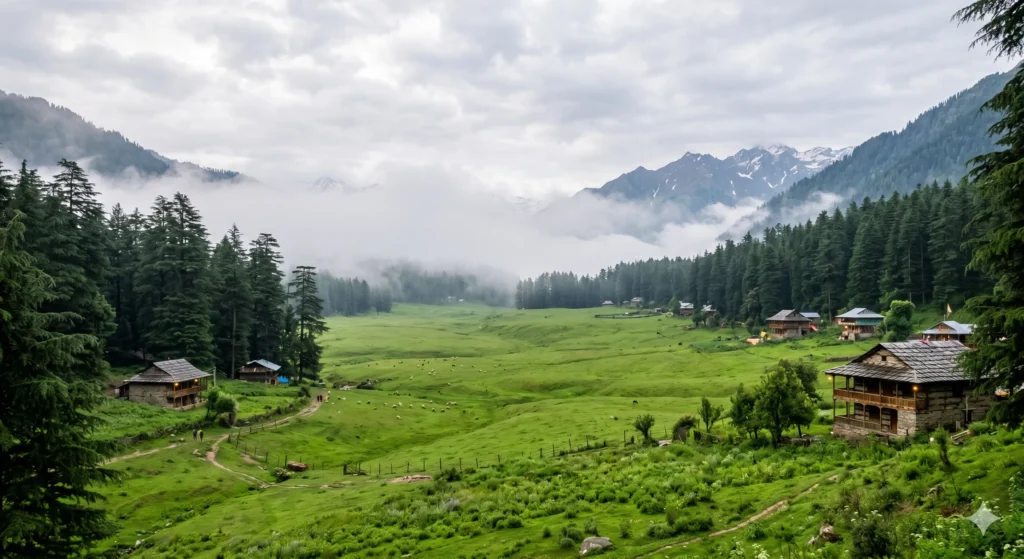
Shangarh remains a beautifully preserved sanctuary within the Great Himalayan National Park buffer zone. The crown jewel here is the massive, pristine emerald meadow managed by the local temple committee. Legend states the Pandavas leveled this landscape. This peaceful retreat is one of the most relaxing offbeat places in Himachal Pradesh for slow travel.
During our last visit, the morning mist rolling across the pine-fringed grass felt entirely magical. It is an ideal spot for remote working or quiet introspection. If you are tracking down serene offbeat places in Himachal Pradesh, Shangarh must top your list.
- Distance from Main Station: 50 km from Aut tunnel (Kullu).
- Best Time to Visit: March to June, October to November.
- How to Travel: Drive from Delhi via NH3, turn right before the Aut tunnel toward Larji, then climb to Sainj and Shangarh.
- Where to Stay: Traditional wooden local homestays or independent backpacker hostels. You can book eco-stays via (booking.com).
- Road Condition & Connectivity: Smooth tarmac with narrow climbs. Reliable Jio and Airtel 4G networks.
2. Pangi Valley (Sach Pass Circuit)
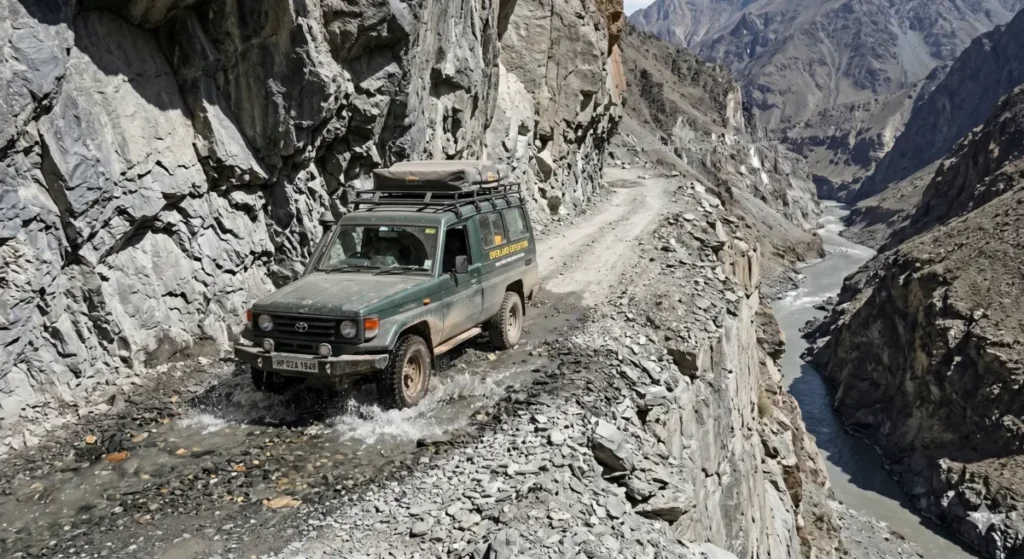
Pangi Valley is the ultimate frontier for hardcore adventure motorists and overland enthusiasts. Guarded by the notorious, high-altitude Sach Pass at 14,500 feet, this region is rugged, isolated, and incredibly vertical. It ranks high among the most dangerous yet rewarding offbeat places in Himachal Pradesh.
The vertical cliff-hanger roads will test your driving skills and vehicle ground clearance. We engaged 4-Low multiple times navigating the loose scree and water crossings. For extreme thrill-seekers, few offbeat places in Himachal Pradesh match the raw adrenaline of Pangi Valley.
- Distance from Main Station: 170 km from Chamba town.
- Best Time to Visit: Mid-July to early October (Pass closed by heavy snow rest of the year).
- How to Travel: 4×4 SUV or high-clearance motorcycle from Chamba via Tisa, crossing Sach Pass into Killar.
- Where to Stay: Basic Government Forest Rest House (FRH) or rustic homestays in Killar.
- Road Condition & Connectivity: Extreme dirt tracks, deep water crossings, and zero tarmac. BSNL works best; others are highly unreliable.
3. Miyar Valley, Lahaul
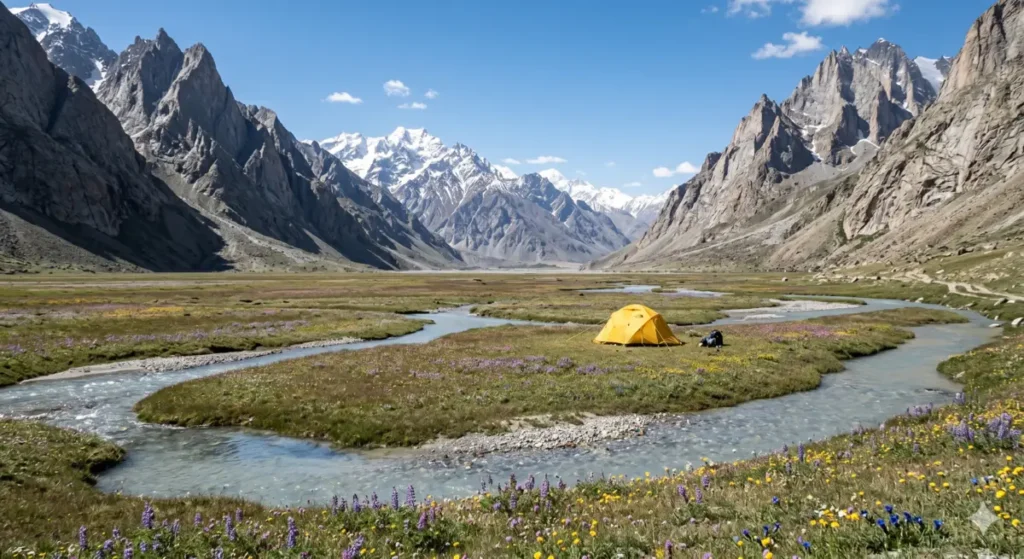
Miyar Valley is often called the Valley of Flowers of Himachal Pradesh. Extending north of Udaipur town, this flat, alpine valley floor features meandering rivers, vast wildflower carpets, and sapphire skies. It stands out among the most pristine, high-altitude offbeat places in Himachal Pradesh.
It serves as a peaceful gateway to remote glacier trails. We camped near Changut village under a dazzling, clear Milky Way galaxy. Travelers seeking quiet offbeat places in Himachal Pradesh will love meeting friendly local shepherds without any tourist crowds.
- Distance from Main Station: 105 km from Keylong.
- Best Time to Visit: Late June to September.
- How to Travel: Drive from Manali through Atal Tunnel to Tandi, turn toward Udaipur, then follow the Miyar river road.
- Where to Stay: Wilderness camping tents or basic local homes turned into guest options.
- Road Condition & Connectivity: Partly paved, mostly gravel mountain tracks. Intermittent Airtel network; data connectivity is poor.
4. Gada Gushaini, Banjar
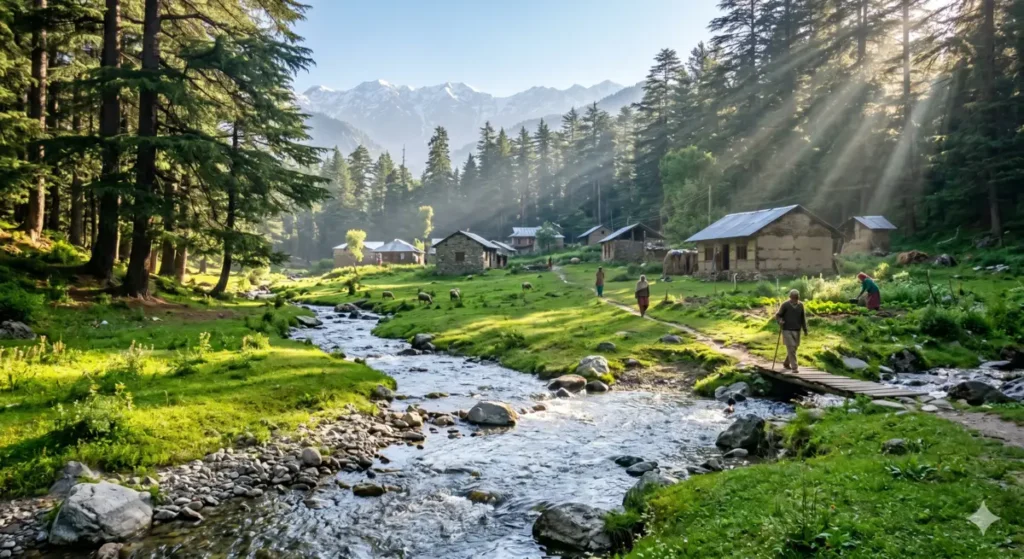
Gada Gushaini is a tiny, blissful hamlet hidden away from the popular Banjar valley trail. A crystal-clear mountain stream cuts directly through rolling green pastures, creating a picture-perfect landscape. It is a true hidden treasure among offbeat places in Himachal Pradesh.
It feels completely disconnected from commercial tourism circuits. We spent hours sitting by the rocky riverbanks listening to the water. When evaluating secret offbeat places in Himachal Pradesh, this village provides ultimate peace and fresh cedar forest air.
- Distance from Main Station: 35 km from Jibhi.
- Best Time to Visit: March to June, September to November.
- How to Travel: Drive via Chandigarh to Mandi, head toward Aut, then take the diversion from Banjar town.
- Where to Stay: Very limited local village homestays. Pre-booking is highly recommended.
- Road Condition & Connectivity: Narrow, bumpy rural roads requiring careful driving. Decent Jio network coverage.
5. Shoja, Seraj Valley
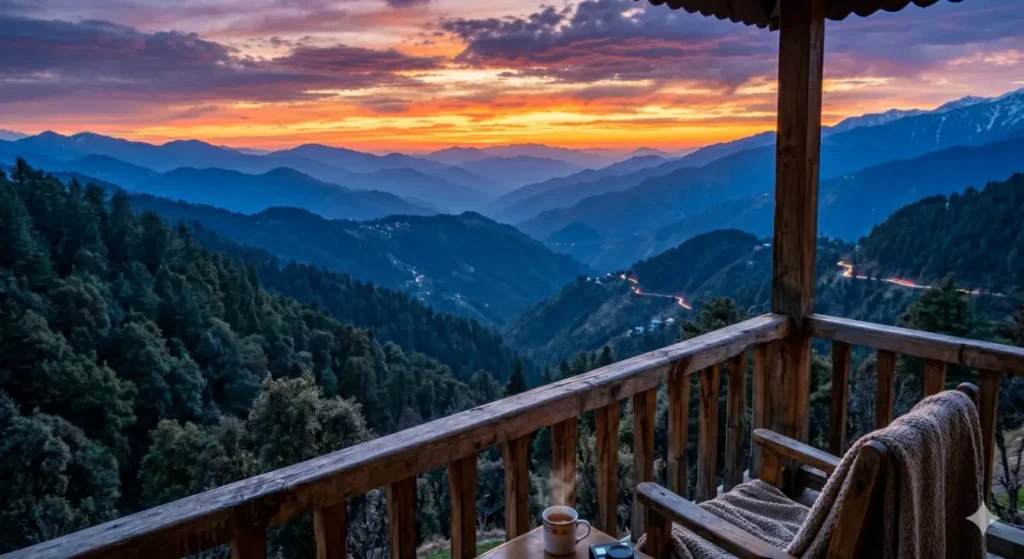
Shoja sits quietly just below the thick, forested ridgeline of Jalori Pass. It offers panoramic, unobstructed views of the snow-clad Himalayan peaks. It serves as an accessible entry point to the gorgeous offbeat places in Himachal Pradesh.
The area is famous for the easy trek to the ancient, wooden Raghupur Fort ruins and Serolsar Lake. Walking through the dense oak and deodar canopies recharges your mind instantly. It is one of our favorite offbeat places in Himachal Pradesh for a weekend escape.
- Distance from Main Station: 58 km from Aut.
- Best Time to Visit: April to June, October to December for snow views.
- How to Travel: Follow the Delhi-Manali highway, turn toward Banjar at Aut, and continue climbing past Jibhi.
- Where to Stay: Cozy wooden mountain cabins, boutique eco-resorts, and local family homestays.
- Road Condition & Connectivity: Steep mountain asphalt with sharp switchbacks. Stable Airtel and Jio 4G connectivity.
6. Langza, Spiti Valley
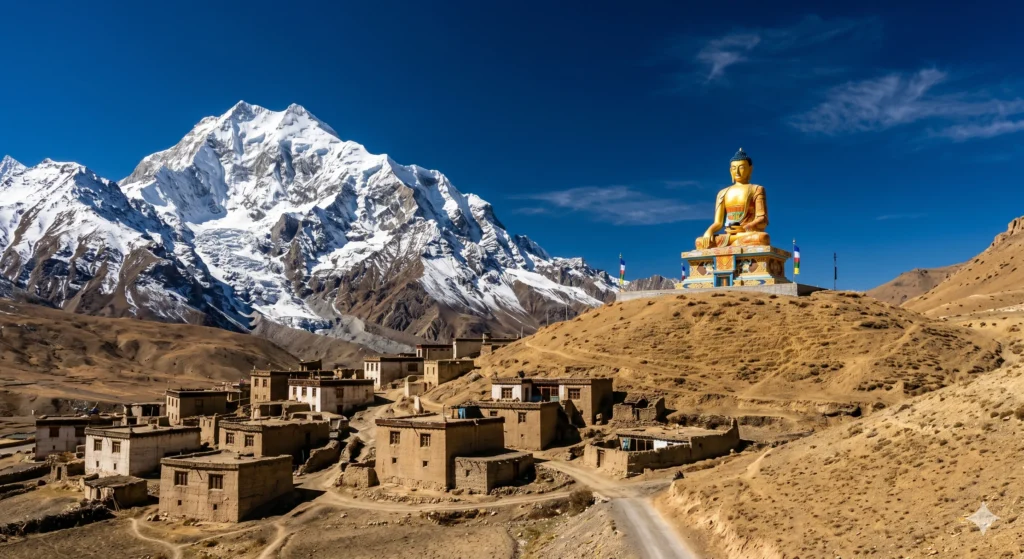
Langza is a high-altitude, prehistoric village famous for marine fossils buried across its dry landscape. A giant, colorful golden Buddha statue sits watch over the mud-brick homes, facing the majestic Chau Chau Kang Nilda peak. It is iconic among the desert-themed offbeat places in Himachal Pradesh.
Walking through the fields, we carefully spotted several small marine fossils. Please remember to leave these ancient geological treasures with the villagers. Travelers looking for culturally rich offbeat places in Himachal Pradesh will find Langza completely mesmerizing.
- Distance from Main Station: 16 km from Kaza.
- Best Time to Visit: June to September.
- How to Travel: Reach Kaza via Shimla or Manali routes, then take the steep uphill mountain road.
- Where to Stay: Traditional Spitian mud-brick homestays serving hot, local Tibetan meals.
- Road Condition & Connectivity: Rough gravel and dirt roads. Only Jio 4G provides working connectivity here.
7. Komic Village
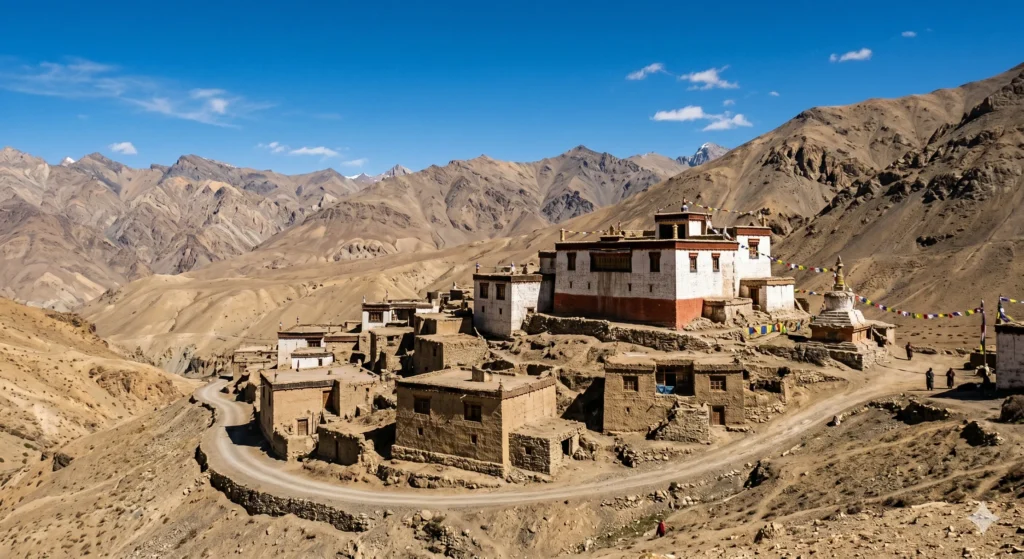
Komic holds the proud distinction of being one of the highest motorable villages in the entire world. It sits at an incredible altitude of 15,027 feet above sea level. This extreme setting makes it legendary among high-altitude offbeat places in Himachal Pradesh.
The ancient Lundup Tsemo Monastery stands as a spiritual anchor in this cold desert landscape. The air is very thin here. When exploring these high offbeat places in Himachal Pradesh, we always advise our passengers to rest fully to prevent mountain sickness.
- Distance from Main Station: 19 km from Kaza.
- Best Time to Visit: June to September.
- How to Travel: Drive uphill from Kaza via the Langza-Hikkim circuit road loop.
- Where to Stay: Basic, warm village homestays with dry pit toilets.
- Road Condition & Connectivity: Rough high-altitude tracks. Expect minimal network signal; Jio works occasionally.
8. Barot Valley, Mandi
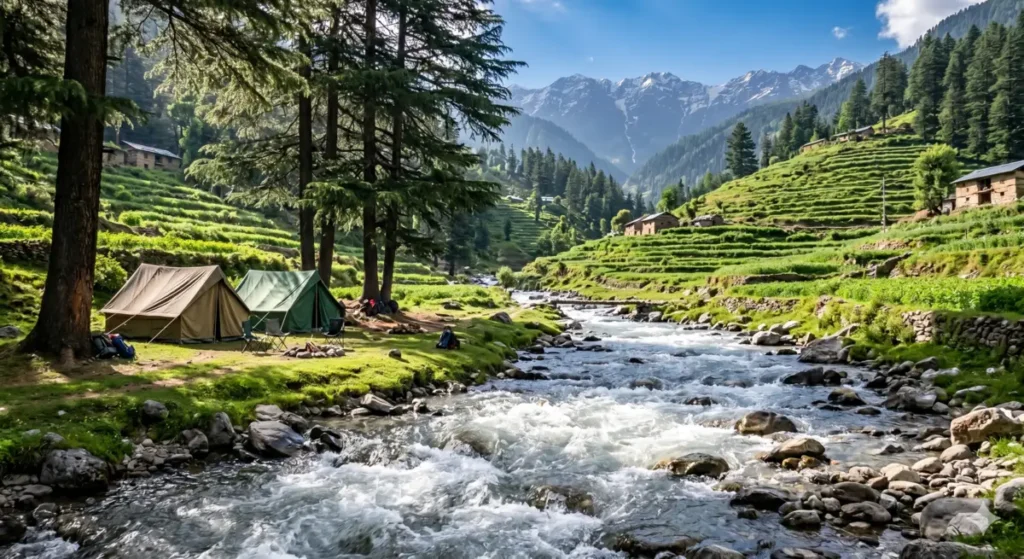
Barot Valley is a lovely, low-altitude haven structured around the sparkling Uhl River. Originally developed for a British-era hydroelectric project, it has become a hotspot for trout fishing and riverside camping. It is highly recommended for families tracking down offbeat places in Himachal Pradesh.
The terraced green fields and dense forests create a soothing atmosphere. We caught fresh trout and enjoyed a quiet bonfire under the stars. For relaxing weekend trips, Barot stands out among the greenest offbeat places in Himachal Pradesh.
- Distance from Main Station: 40 km from Joginder Nagar.
- Best Time to Visit: April to June, September to November.
- How to Travel: Drive from Mandi toward Pathankot, turn right at Ghatasni, and descend into the valley.
- Where to Stay: Riverside luxury camps, guest houses, and government rest houses.
- Road Condition & Connectivity: Well-paved roads with tight corners. Excellent Jio and Airtel connectivity.
9. Chitkul, Sangla Valley
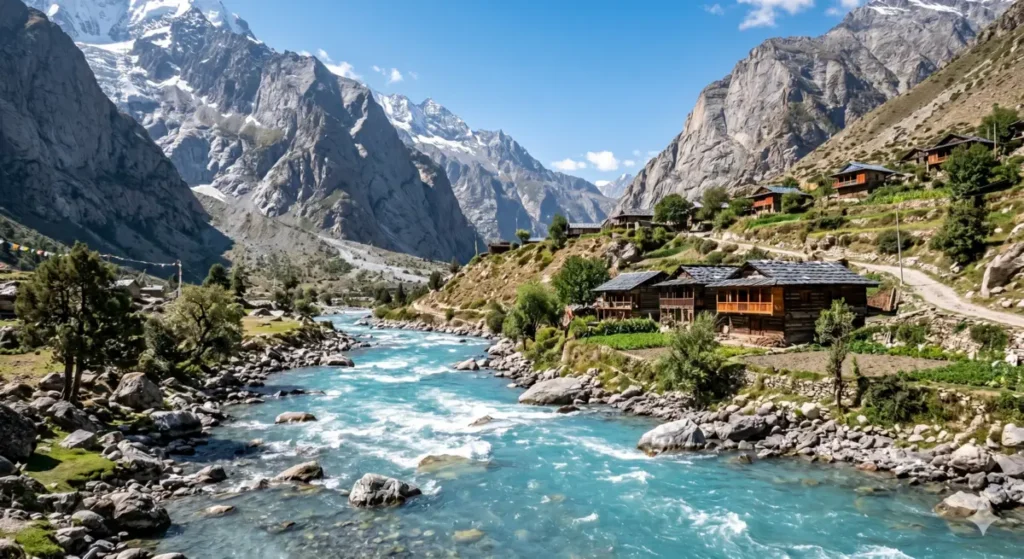
Chitkul is famously known as the last inhabited village on the old Indo-Tibetan border road. The clean, turquoise Baspa River flows alongside the village, flanked by massive, grey granite peaks. It is a hallmark destination among border-zone offbeat places in Himachal Pradesh.
The final drive into Chitkul features dramatic cliff views that will take your breath away. We ate hot noodles at the famous “Hindustan Ka Aakhri Dhaba” signpost. It remains a legendary location among majestic offbeat places in Himachal Pradesh.
- Distance from Main Station: 240 km from Shimla.
- Best Time to Visit: May to October.
- How to Travel: Drive along the NH5 Hindustan-Tibet road past Reckong Peo, turning right at Karcham dam.
- Where to Stay: Modern riverside hotel properties, cozy homestays, and popular backpacker hostel chains.
- Road Condition & Connectivity: Mostly broken tarmac with shooting stone risks. Good Jio coverage.
10. Kalpa, Kinnaur
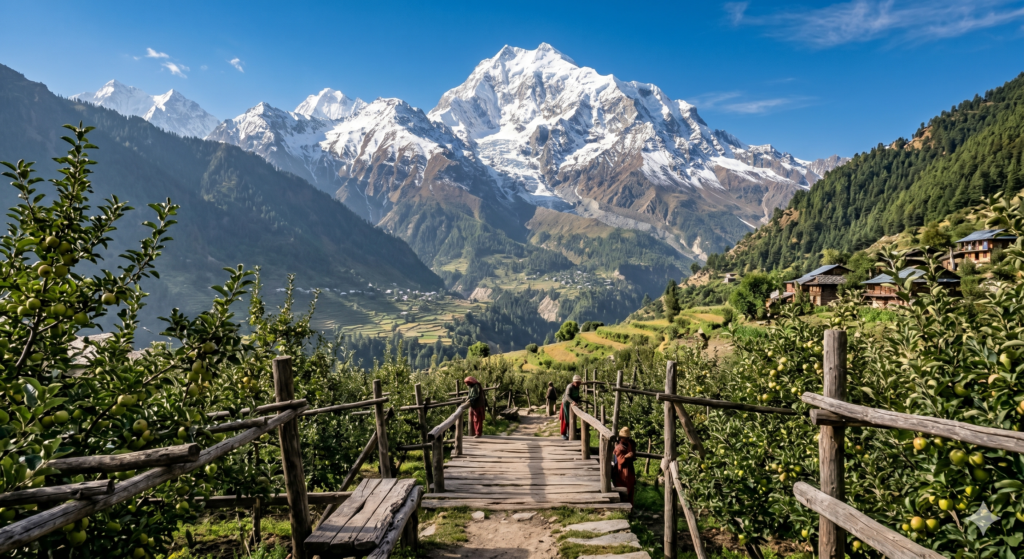
Kalpa sits nestled high above the roaring Sutlej River, directly facing the sacred Kinner Kailash mountain range. The view of the morning sun lighting up the holy peak is unforgettable. It provides incredible architectural depth compared to other offbeat places in Himachal Pradesh.
The village is rich with traditional Kinnauri wooden architecture and sprawling apple orchards. We walked through narrow cobblestone alleys lined with ancient carved temples. For stunning peak views, Kalpa is unmatched among scenic offbeat places in Himachal Pradesh.
- Distance from Main Station: 225 km from Shimla.
- Best Time to Visit: April to June, September to November.
- How to Travel: Drive along the smooth NH5 highway from Shimla directly to Reckong Peo, then climb uphill.
- Where to Stay: Heritage properties, mountain-view hotels, and comfortable family homestays.
- Road Condition & Connectivity: Excellent national highway conditions with frequent repair zones. Strong 4G networks.
11. Bharmour, Chamba
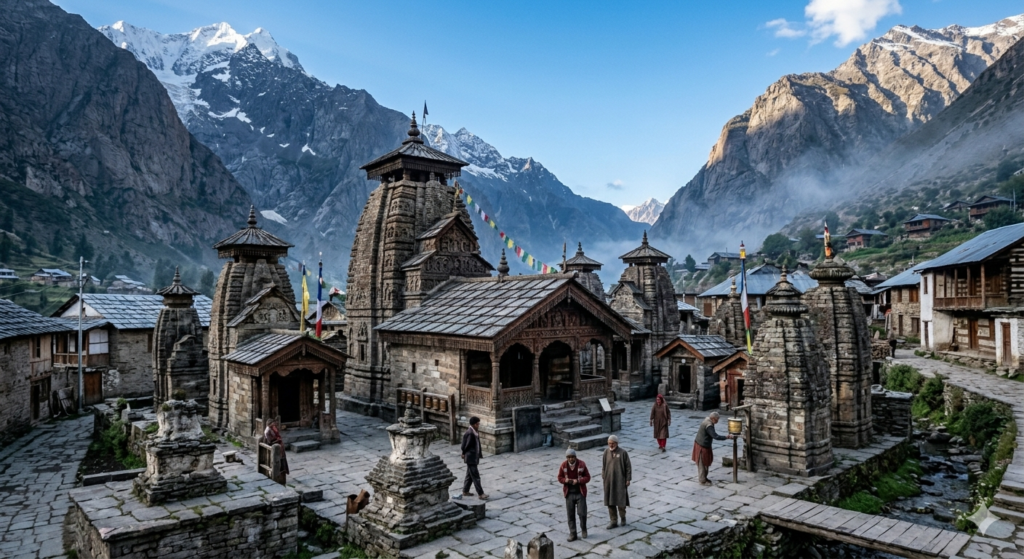
Bharmour is an ancient, holy town surrounded by high mountain peaks. Known as the land of Lord Shiva, it features the unique Chaurasi Temple complex dating back over a thousand years. It adds deep historical value to the list of offbeat places in Himachal Pradesh.
It serves as the base camp for the challenging, high-altitude Manimahesh Kailash pilgrimage trek. The vibe here is deeply spiritual and peaceful. If you love heritage architecture, include Bharmour when researching historical offbeat places in Himachal Pradesh.
- Distance from Main Station: 60 km from Chamba town.
- Best Time to Visit: April to June, September to November.
- How to Travel: Drive from Pathankot to Chamba, then take the mountain road heading along the Ravi river.
- Where to Stay: Budget hotels, religious dharamshalas, and basic local guest houses.
- Road Condition & Connectivity: Narrow, rugged roads carved into rock faces. Reliable Jio connectivity.
12. Chanshal Pass, Rohru
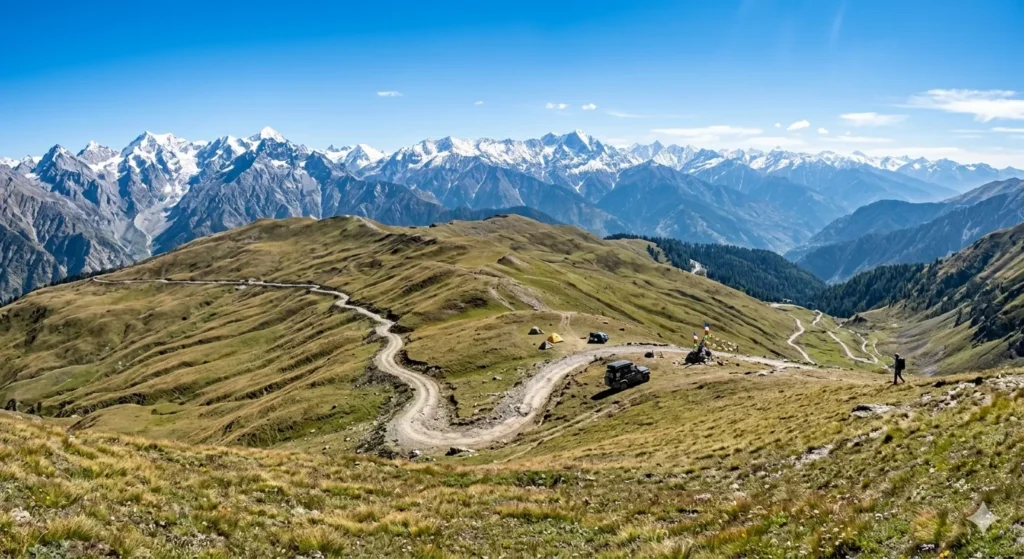
Chanshal Pass sits at 12,300 feet, connecting quiet Rohru town to the remote Dodra Kwar villages. The pass features endless, rolling alpine meadows that offer 360-degree views of the lower Himalayas. It remains one of the least developed offbeat places in Himachal Pradesh.
It is completely untouched by commercial ski resorts or heavy crowds. Our 4×4 vehicle cruised effortlessly across the high meadows. For pure wilderness overlanding, few offbeat places in Himachal Pradesh match the raw scale of Chanshal.
- Distance from Main Station: 160 km from Shimla.
- Best Time to Visit: May to October (Closed during winter months).
- How to Travel: Drive from Shimla via Theog, Kotkhai, and Rohru, then begin the steep dirt climb.
- Where to Stay: Basic homestays in Larot village or self-sustained wilderness camping.
- Road Condition & Connectivity: Bumpy dirt roads with deep ruts. Very poor network coverage; BSNL works occasionally.
13. Nahan, Sirmaur
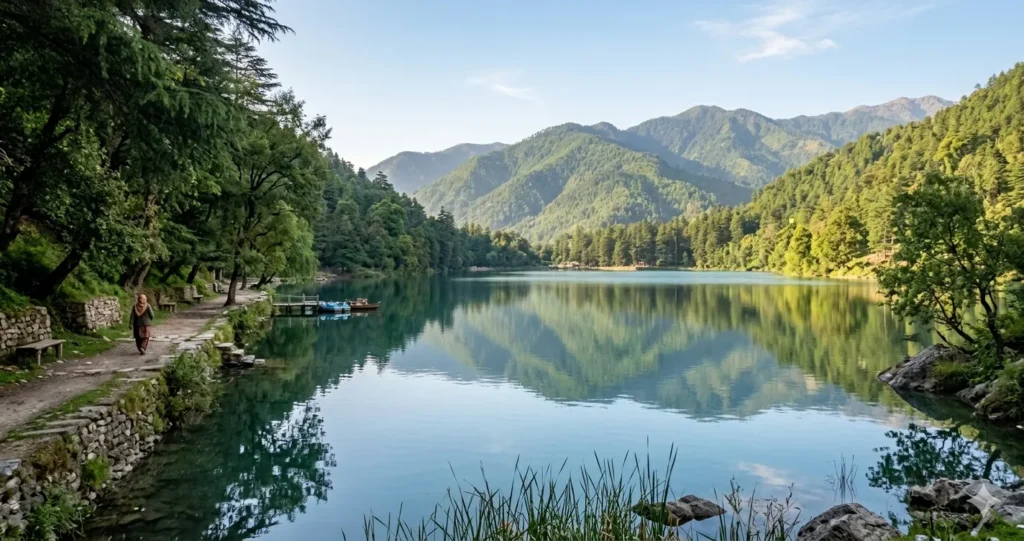
Nahan is a clean, quiet hill station settled in the Shiwalik hill range. Founded as a princely capital, it features historic palaces, clean underground lanes, and beautiful gardens. It is one of the closest offbeat places in Himachal Pradesh to the national capital region.
It is much closer to Delhi than northern valleys, making it ideal for quick weekend trips. We enjoyed walking around the peaceful Renuka Lake. For quick micro-holidays, Nahan is a stellar choice among accessible offbeat places in Himachal Pradesh.
- Distance from Main Station: 85 km from Chandigarh.
- Best Time to Visit: September to May.
- How to Travel: Drive via Naraingarh from Delhi, bypassing Chandigarh entirely for a quicker journey.
- Where to Stay: Colonial-era heritage hotels, modern mountain resorts, and peaceful farm stays.
- Road Condition & Connectivity: Wide, smooth hill roads. Perfect 4G network connectivity throughout.
14. Karsog Valley, Mandi
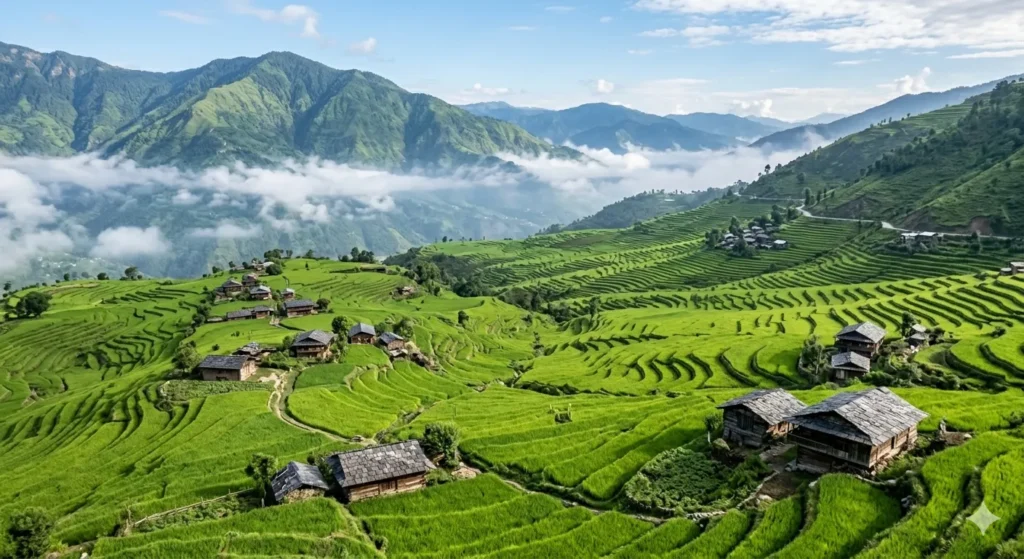
Karsog Valley is a wide, fertile agricultural basin filled with lush step-cultivated rice fields and apple orchards. The valley is steeped in rich Mahabharata mythology and features distinct wood-carved temples. It is highly charming compared to commercialized offbeat places in Himachal Pradesh.
The slow pace of local agrarian life is incredibly relaxing. We bought fresh local fruits from farmers along the road. When exploring peaceful offbeat places in Himachal Pradesh, Karsog offers an immersive look into traditional rural mountain lifestyles.
- Distance from Main Station: 110 km from Shimla.
- Best Time to Visit: March to June, September to November.
- How to Travel: Take the scenic route from Shimla via Tattapani hot springs directly into the valley.
- Where to Stay: Local agriculture homestays and basic government rest house rooms.
- Road Condition & Connectivity: Good rural asphalt with scenic turns. Reliable Jio network.
15. Tirthan Valley
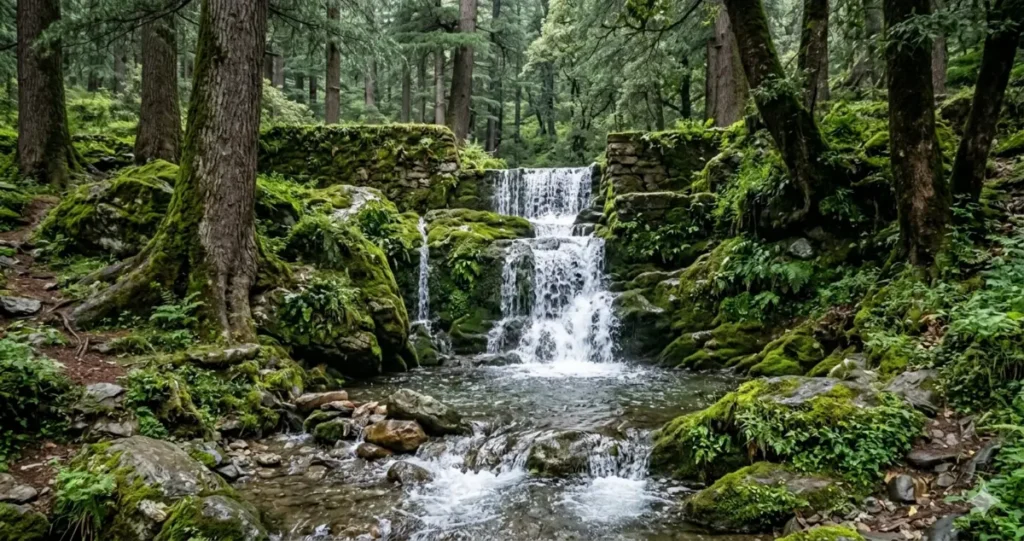
Tirthan Valley is a paradise for nature lovers, structured along the pristine, protected waters of the Tirthan River. It offers wonderful opportunities for bird watching, day hikes, and catching trout. It remains an absolute classic among green offbeat places in Himachal Pradesh.
The valley serves as a main entry door to the Great Himalayan National Park. We walked through peaceful forests to find hidden waterfalls. For nature-centric holidays, Tirthan remains a top pick among magical offbeat places in Himachal Pradesh.
- Distance from Main Station: 26 km from Aut.
- Best Time to Visit: March to June, October to November.
- How to Travel: Drive along the Chandigarh-Manali highway, turning right immediately at the Aut tunnel mouth.
- Where to Stay: Riverside eco-lodges, wooden treehouses, and local family homestays.
- Road Condition & Connectivity: Smooth, well-maintained valley roads. Excellent Jio and Airtel 4G signals.
Logistics and Maps for Offbeat Places in Himachal Pradesh
Successfully navigating offbeat places in Himachal Pradesh requires careful route preparation. Unlike highway driving to Manali, remote mountain circuits feature unpaved dirt tracks, unpredictable landslide zones, and limited repair shops. We highly recommend carrying a heavy-duty tire inflator, a reliable tow strap, and basic spare parts in your vehicle boot.
Before mapping out your journey to these offbeat places in Himachal Pradesh, cross-check your routes with official administrative travel advisories. For up-to-date road clearing operations and weather conditions, consult the Himachal Pradesh Tourism Official Website. Having a physical backup map is also smart since GPS networks can drop in deep river gorges.
Planning Your Budget for Offbeat Places in Himachal Pradesh
Traveling through offbeat places in Himachal Pradesh is significantly cheaper than staying in commercial luxury resorts. Local homestays run by welcoming families form the backbone of accommodation in these remote belts. Your money goes directly to villagers, fostering an ethical and sustainable travel economy across the mountain state.
When budgeting for your tour of offbeat places in Himachal Pradesh, factor in increased fuel consumption due to steep hill climbs. Remote mountain tracks require driving in lower gears, which drops fuel efficiency. Keep extra cash handy because automated teller machines (ATMs) are rare in distant border hamlets.
Essential 2026 Overland Safety & Permit Advisory
⚠️ Overland Travel Notice: High-altitude offbeat places in Himachal Pradesh like Spiti and Upper Kinnaur require special Inner Line Permits (ILP) for international travelers. Remote passes like Sach Pass are typically clear of heavy snow only from early July through mid-October. Always check the officialHimachal Pradesh Government Portalbefore setting out. Pack a full tool kit, extra fuel, and high-altitude medicine.
Frequently Asked Questions (FAQs) About Offbeat Places in Himachal Pradesh
Which is the most underrated place in Himachal?
Barot Valley is highly underrated. It offers incredible trout fishing, scenic lakeside camping, and lush green forests without commercial crowds or loud tourist markets.
Is Jibhi still considered an offbeat place?
Jibhi is becoming highly commercialized now. For true offbeat places in Himachal Pradesh, stay in nearby rural hamlets like Shoja or Gada Gushaini.
What is the best offbeat place near Delhi?
Nahan is the best option near Delhi. It is just a five-hour drive away, offering peaceful mountain views and crowd-free historic streets for weekenders.
Which offbeat destinations are good for winter travel?
Shoja, Kalpa, and Nahan are excellent in winter. They offer beautiful snow landscapes while remaining safely accessible by well-maintained mountain road networks.
What is the estimated daily travel budget for offbeat homestays?
You should budget ₹1,500 to ₹2,500 per day. This cost comfortably covers a warm room and authentic, home-cooked local meals in remote mountain villages.
Connect with the WeekendRevvs Team
We love helping adventure travelers map out unique journeys across India. For custom 4×4 trail advice or gear recommendations, check out our WeekendRevvs Home Page or read more details on our dedicated About Us Page. You can also send your specific overland vehicle queries directly through our Contact Page.
To see our latest live trail updates, road conditions, and camp setups, follow our updates on the Rishabh LinkedIn Profile and join our community on the official WeekendRevvs Instagram Page. Always drive responsibly, respect indigenous mountain cultures, and leave every campsite cleaner than you found it. Happy overlanding!